Custom Floor Plans & Residential Design in Sydney
Drafting for Every Home Style
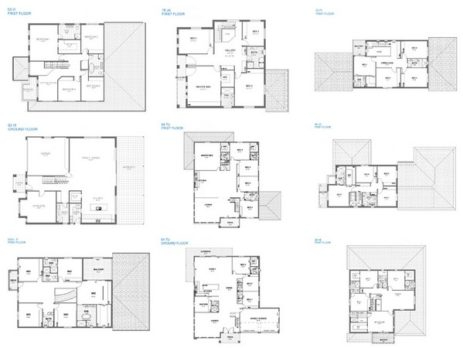
These layouts represent one of our efforts at giantA Pty Ltd® to build a data repository to support clients with their architectural services needs in New South Wales (NSW). However, due to limited manpower, we have not yet been able to widely share the extensive collection of layouts we currently hold. If you have any specific requirements for design, renovation, small home construction, or residential building projects, please don’t hesitate to contact us for the best possible support tailored to local planning policies and design standards.
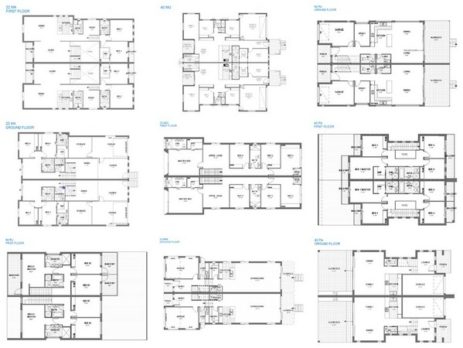
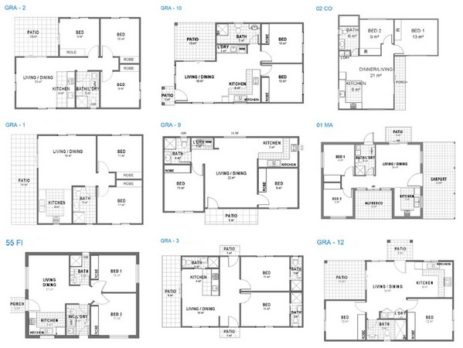
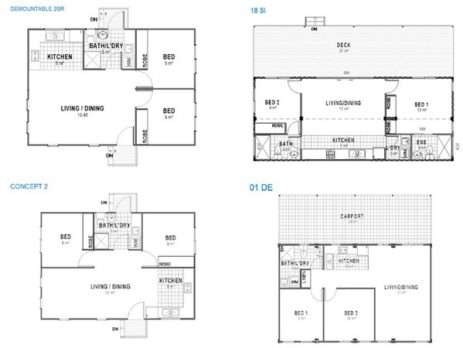
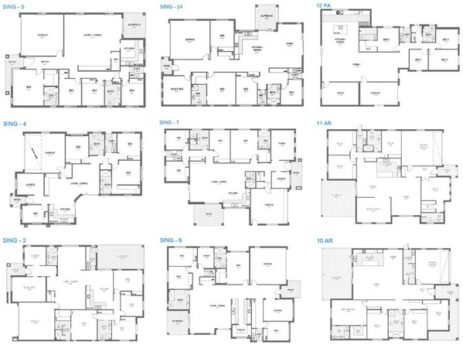
How to Choose the Right Floor Plan for Your NSW Block
Quick tip: Choosing a floor plan determines whether your project is feasible. Confirm your site's lot size, zoning, LEP minimum lot size, easements, and buildable envelope BEFORE selecting a design. giantA runs a free feasibility check before you commit.
Choosing a floor plan isn't just about picking a design you like. All giantA floor plans can be customised to your specific site. Here's what to consider:
Step 1: Check Your Site Constraints
- Lot size — Most NSW councils require 400–500m² minimum for duplexes
- Zoning — R2, R3, or mixed-use determines what you can build
- LEP controls — Minimum lot size, floor space ratio (FSR), height limits
- Natural constraints — Slope, bushfire zone, flood prone land, heritage
- Easements — Drainage, sewer, right-of-way
Step 2: Understand Your Family's Needs
- Bedrooms — 2, 3, 4, or 5+ for your family size
- Bathrooms — Ensuite, main bathroom, powder room
- Living space — Open plan vs. separate rooms
- Garage/parking — Single, double, or carport
- Outdoor living — Alfresco, deck, courtyard, pool area
Step 3: Check Council Requirements
- Setbacks — Front, side, rear distances from boundary
- Site coverage — Maximum % of lot that can be built on
- Landscaping — Minimum % of site for soft landscaping
- Private open space — Minimum area per dwelling
Step 4: Customise for Your Block
All giantA floor plans can be customised for narrow lots, wide lots, corner blocks, sloping sites, and orientation. Contact us to discuss modifications.
Frequently Asked Questions About Floor Plans
Can I customise a floor plan to suit my site?
Yes. All giantA floor plans are design starting points. Our architects can modify layouts for your block dimensions, orientation, council requirements, and family needs. Common customisations include room reconfiguration, adding garages, extending outdoor areas, and adjusting for site slope.
Are these floor plans NSW-compliant?
Yes. All giantA designs are prepared to comply with the National Construction Code (NCC) and NSW building regulations. However, site-specific compliance depends on your local council's LEP and DCP. A site feasibility assessment confirms compliance before design proceeds.
Can I use these plans to get DA/CDC approval?
Our floor plans are design concepts. To obtain DA or CDC approval, you need a customised set including site plan, elevations, sections, BASIX compliance, and specialist reports. giantA prepares a full approval package for any design.
What's the difference between a duplex and dual occupancy?
A duplex consists of two attached dwellings on one lot sharing a common wall. Dual occupancy refers to two dwellings (attached or detached) on the same lot, where one may be a granny flat. NSW planning rules differ between the two. Read our comparison guide.
Can I build these plans outside of NSW?
While designed to NSW standards, our floor plans can be adapted for other states. Different states have different building codes (e.g., Victoria Building Regulations, Queensland Development Code). Contact giantA for a feasibility assessment.
How much does it cost to customise a floor plan?
Minor adjustments ($1,000–$3,000): room sizes, window positions, cosmetic changes. Structural modifications (adding floors, changing roof type) cost more. Contact giantA for a personalised quote.
Start Your Project
All plans are customisable for your site. Contact us for a free feasibility assessment and design quote.
Discuss Your Floor Plan with giantA